
Awareness does not equal adoption.
Reminding those you lead and care about to use the tools they've been given.

Hello fellow Enablers,
In the early 2010s I stumbled across a technique that helped me increase adoption of a new programme across the organisation I was leading.
At the time, I was the Managing Director of BMW Financial Services in New Zealand.
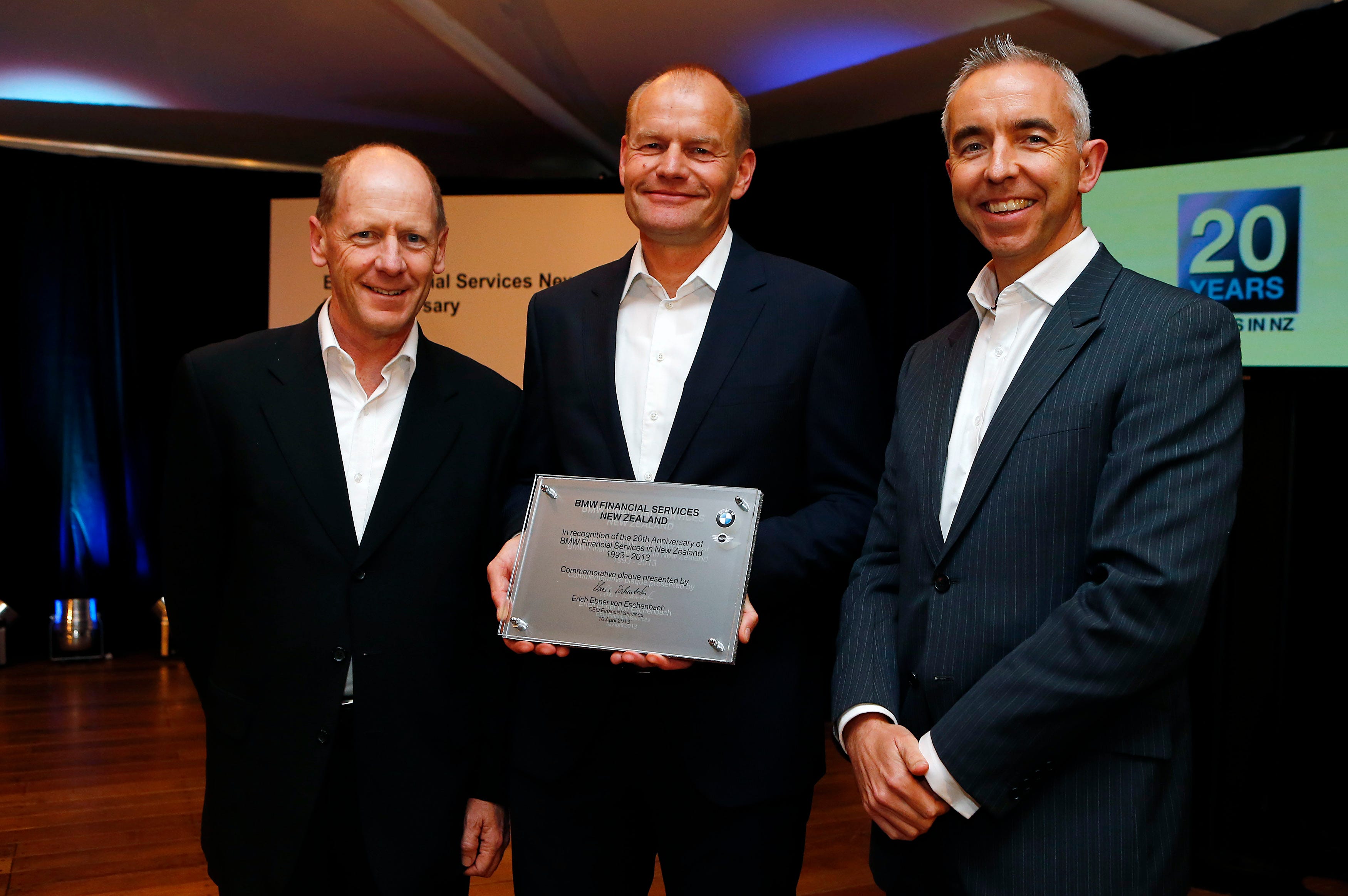
I’d also become a certified facilitator for a programme based on Stephen Covey’s bestselling book: The 7 Habits of Highly Effective People. I cover why and how I did that in an earlier post: The book that changed my life.
Throughout 2011-14, I introduced Covey’s habits and best practices to my BMW colleagues across Asia Pacific, including my own team back in Auckland.
Those experiences amongst others informed the development of Fulfilling Performance.
When the facilitator from the programme is also your boss
As both MD and course facilitator I had a unique opportunity to coach my team members to practise using the new tools they’d been given on the programme.
Normally after corporate training the facilitator and the group part company.
We hope that lessons learned during their brief time together will stick and that participants will adopt some new behaviours as a result.
In practice a lot of what happens in the corporate classroom seems destined to stay there. I wrote about that in What happens in Vegas…
In the case of my team, their programme facilitator (me) hung around as their leader for another three or four years.
Back in the office, one of my responsibilities was to encourage them to use the tools that we’d invested in for them.
With all the facilitating I was doing around the region, it came naturally to adopt a coach / facilitator style in leading my team.
When someone came to me with a problem that I believed could be approached using one or more of the seven habits, I would ask them:
What would Stephen Covey do?
This drew their attention back to the programme and the tools they’d been given. It also kept ownership for solving their problem clearly with them.
I didn’t have to ask that question many times before they started to anticipate it themselves. I might be manufacturing a memory, but it’s easy to picture one of them approaching my office purposefully with a question on their lips, only to realise what was about to happen and do an about-turn back to their desk.
By giving them the tools and reminding them to use them I was equipping them to perform.
They knew they could come to me if they were genuinely stuck, but we reduced unnecessary initial requests for help and we increased adoption of The 7 Habits.
Often all it took was this reminder for them to be able to, if not fully solve their problem, at least identify their next step.
And on occasions when they still needed my help, the topics they brought were further developed and more clearly thought through.
The question that increases adoption of Fulfilling Performance
A dozen or more years later, some things have changed: Alan and Erich are no longer my bosses, they’re my mentors and friends. My focus is not on automotive finance and The 7 Habits, it’s on enabling Fulfilling Performance.
And some things have stayed the same: People need reminding to use the tools they’ve been given until it becomes habitual.
To increase adoption of Fulfilling Performance, in place of asking, “What would Stephen Covey do?” we ask:
Have you looked at it through the lens of Fulfilling Performance?
This reminds them of the tool they’ve been given and keeps ownership of their challenge or opportunity cleanly with them.
If you ask this question consistently, they will soon begin to ask it of themselves as an initial step, maybe hearing it in your voice!
Using the Fulfilling Performance framework and its diagnostic questions will become a default behaviour. And because Fulfilling Performance normalises discussing friction openly, your team members are more likely to draw on their collective experience and capability to solve problems before bringing them to you.
When they do bring topics to you they will have already viewed them through the lens of Fulfilling Performance and identified the real sources of friction or handbrakes.
All the best,
Andy
P.S. If you’re not familiar with Fulfilling Performance and you still read the post, thank you. I recently wrote a short document: Fulfilling Performance: A Practical Introduction. It’s the clearest articulation of Fulfilling Performance to date. Send me a message and I’ll email you the PDF.